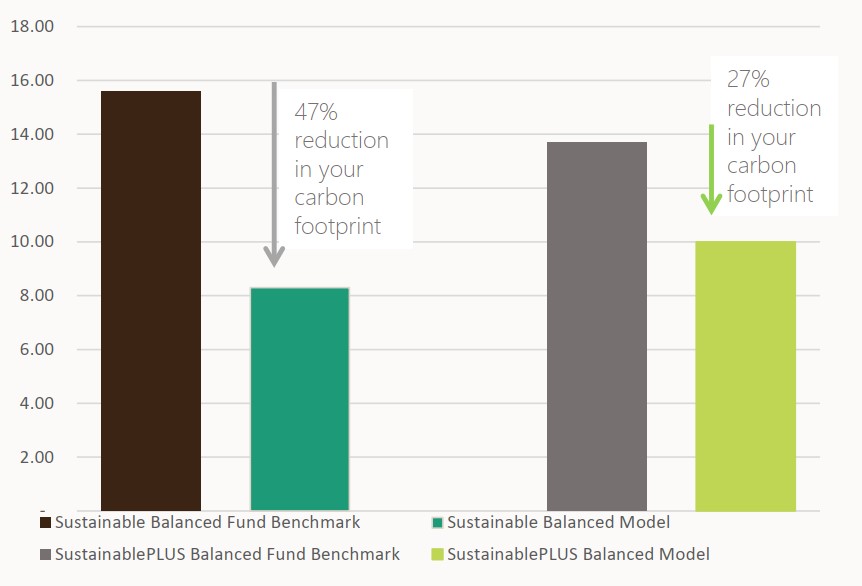
Climate change is no longer a future concern — it’s a present‑day investment risk. As climate‑related regulation, physical impacts, and transition pressures increase, investors are increasingly asking not only what they’re invested in, but what impact those investments have.
At Ethical Investing NZ, we believe transparency is a key part of responsible investing. That’s why, working with our investment research partner Māpua Wealth, we’ve begun measuring the carbon footprint of the growth assets within our model portfolios.
Why measure the carbon footprint of portfolios?
Carbon footprinting helps us understand how exposed portfolios may be to climate‑related risks. Companies with higher emissions can face:
- Increased regulatory and compliance costs
- Greater transition risk as economies decarbonise
- Higher reputational risk
- Long‑term impacts on profitability
By measuring and monitoring emissions, we can make more informed decisions — and have clearer conversations with clients about trade‑offs, expectations, and long‑term resilience.
What we measured
Māpua Wealth’s analysis focuses on the growth allocation of our portfolios:
- Global and Australasian shares
- Listed property
- Listed infrastructure
We measured Scope 1 and Scope 2 emissions, expressed in tonnes of CO₂ equivalent.
- Scope 1 emissions are direct emissions produced by companies (such as fuel burned on‑site or company vehicles).
- Scope 2 emissions are indirect emissions from purchased energy, such as electricity used by the companies held.
The data is an asset‑weighted average of portfolio holdings, using emissions data from global ESG data provider Sustainalytics. Global equity estimates are derived from MSCI data via BlackRock.
What the results show